**Calibration Essentials for Gas Flow Meters: Ensuring Accuracy in Industrial Processes**
In industrial environments, accurate measurement of gas flow is critical for safety, efficiency, and regulatory compliance. Gas flow meters are widely used across sectors like chemical processing, energy production, and pharmaceuticals to monitor and control the movement of gases. However, over time, these instruments can drift from their original accuracy due to wear, contamination, or environmental changes. That's why regular calibration is essential. Without it, even the most advanced meter can deliver misleading data, leading to operational inefficiencies or safety risks .
Calibration ensures that a gas flow meter provides readings that are traceable to recognized standards. This process involves comparing the meter's output to a known reference under controlled conditions. Any deviation is then corrected through adjustment or recalibration. For industries relying on precise gas delivery—such as in combustion control or gas blending—this step is non-negotiable. Regular calibration not only maintains accuracy but also extends the lifespan of the equipment .
One common challenge in calibration is selecting the right method for the specific type of flow meter. Thermal mass, differential pressure, and ultrasonic meters all respond differently to calibration procedures. For instance, thermal mass flow meters require stable temperature conditions during testing, while orifice-based meters need clean, laminar flow to ensure reliable results. Using a certified calibration rig with traceable standards is vital to achieving repeatable and accurate outcomes .
A real-world example comes from a natural gas distribution facility in France that experienced discrepancies in billing due to uncalibrated meters. After implementing a routine calibration schedule using portable reference devices, they reduced measurement errors by over 90%. This not only improved customer trust but also helped them meet strict regulatory requirements. You can explore more about gas metering solutions, including options for various industrial needs, at Débitmètres de gaz .
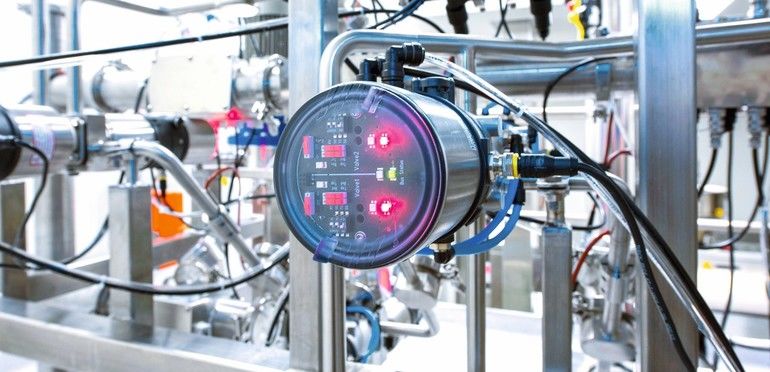
Beyond gases, liquid flow measurement is equally important in many processes. For example, in power plants or heating systems, monitoring fuel oil consumption requires high-precision instruments. A poorly calibrated fuel oil flow meter can lead to excess fuel use, increased emissions, and higher costs. Just like gas meters, these devices need periodic calibration using appropriate test rigs and standards. Learn more about reliable measurement tools at fuel oil flow meter .
Automation is now playing a bigger role in calibration processes. Smart flow meters with built-in diagnostics can alert operators when performance falls outside acceptable limits. Some systems even support remote calibration verification, reducing downtime and labor costs. These advancements make it easier than ever to maintain accuracy without interrupting production .
Ultimately, the goal of calibration is not just compliance—it's confidence. When engineers know their flow data is accurate, they can make better decisions about process optimization, maintenance, and safety protocols. Establishing a regular calibration schedule, using certified equipment, and training personnel are all key steps toward achieving this confidence .

Comments
Post a Comment